Multi-wheel Straightener&Cutter
Hebei Hylite Machinery Co., Ltd. is located in the center of the Beijing-Tianjin-Hebei economic & technological region - Xianxian Economic Development Zone, where is the birthplace of motto "Seeking Truth From Facts". The factory covers an area of 50 acres. We are engaged in the R&D, manufacturing and sale service of equipment for steel bar and metallic wire processing.
Our address
Xianxian Economic DevelopmentZone, Cangzhou City, HebeiProvince
Phone Number
008615130775601
cnhylite001@hylitemachinery.com

Why Choose Us
Hebei Hylite Machinery Co., Ltd. is located in the center of the Beijing-Tianjin-Hebei economic & technological region - Xianxian Economic Development Zone, where is the birthplace of motto "Seeking Truth From Facts".
Products Sell Well
Our products have been exported to more than 60 countries including Togo, South Korea, Vietnam, Cambodia, Thailand, Malaysia, Philippines, Indonesia, India, Pakistan, Iran, Saudi Arabia, Russia, Egypt, Senegal, Mali, Benin, Niger, Venezuela, Argentina, Algeria, Mozambique, Mauritius etc.
Professional Team
The factory covers an area of 50 acres. We are engaged in the R&D, manufacturing and sale service of equipment for steel bar and metallic wire processing. The R&D team mainly composed of Chinese and Italian designers. It has a professional global after-sales service team.
Quality Assurance
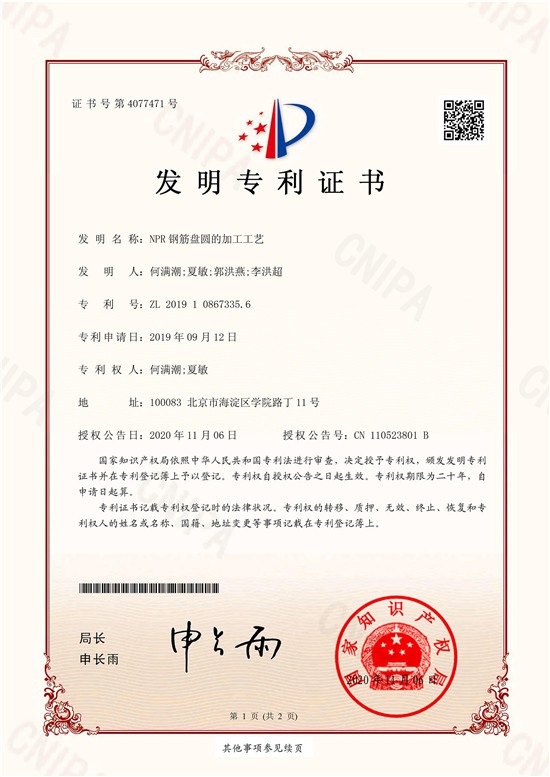
The company has passed ISO9001 quality management system and got its CE certification. It is a certified high-tech enterprise in Hebei Province, China.
After-Sales Service
Provide customers with a full range of technical services and support, provide customers with on-site installation guidance free of charge, and train personnel to familiarize themselves with the operation and use of the equipment. If there are quality abnormalities in the equipment, we will provide 24-hour after-sales service to customers.


Products Description
Hylite Wire multi-wheel straightening and cutting machine


Speed: straightening speed 120 m/min, usually working at 120 m/min, it will straightening 2 meters at medium and low speeds.
High cutting accuracy, cutting length error ≤ ±5mm.


What is Multi-wheel Straightener&Cutter
The wire passes through a series of rollers or guides that align and straighten the material. These rollers are adjustable, allowing the machine to handle different wire diameters and ensure optimal straightening. 3. Cutting: Once the wire is straightened, it moves to the cutting section of the machine. If you want to know the specifications and prices of Wire Mesh Making Machine, please contact us!
Advantages of Multi-wheel Straightener&Cutter

Cost-effective
Electric discharge machining is an expensive machining process, but it is cost-effective in many applications.
For jobs demanding high precision, intricate geometry and increased production volume, electric discharge machining EDM remains cost-effective, when compared with standard CNC which may require more man hours, machines, and different tool types.
There's minimal material wastage which can make it cost-effective for medium production runs specifically for machining expensive materials. It offers quick turnaround times and the tooling cost is not significant, since it's just a conductive wire.
Minimal Distortion
Wire EDM works with hard materials and soft materials alike. Since there's no force exerted on the workpiece (spark eroding machining process) it can cut and shape even the most fragile and thin metal pieces.
High Production Speed
For prototyping and scaled production wire EDM process delivers quick turnaround times. This is due to
Small setup time and CNC-programmed control
Exceptional surface finish (eliminates grinding and polishing)
Close tolerance (doesn't require any further tooling.
Extreme Accuracy
Accuracy of a machining process is linked to the cutting tool. Since an edm wire can reach diameters of 0.01 mm it can achieve extreme accuracy and precise cuts.
Part Complexity
Wire EDM is an extremely modifiable machining process. Wires can be aligned at an angle, the parameters can be adjusted at different stages and it can work in multi-axial planes. This allows wire EDM to reach even the smallest details in designs for applications in aerospace.
Accuracy and Precision
Using a straightening device assures accuracy and precision in metal components. Straightening devices use advanced technology to identify even minor bends or warps in metal products. They can use this technology to accurately straighten metal products, guaranteeing that they satisfy your specifications and requirements.
Higher Quality End-Product
Another significant advantage of employing a straightening machine is that it increases the quality of your finished products. Straightening out the metal materials before working with them will allow you to obtain a high level of consistency and quality in your finished goods. This is especially critical in areas like car production and aeronautical engineering, where even little deviations from specifications can have catastrophic implications.

Save Time
These machines are also quite efficient, saving you a significant amount of time. They may execute the task swiftly and properly instead of physically straightening out metal materials, which can be a time-consuming operation. This implies you'll be able to finish projects faster and move on to the next one.
Highly Economical
They might also save you money in the long run. You can avoid costly mistakes by ensuring that your metal supplies are straight and correct from the start. Scrapped materials, poorly completed products, and safety concerns are all examples of this.
Worker Safety
Employing straightening equipment in the workplace can increase safety. Metal materials that have been twisted or deformed might be dangerous to workers handling them. You can prevent industrial accidents and injuries by straightening up metal objects before use.
Types of Multi-wheel Straightener&Cutter
Roller Straightening Machines
Bar and Tube Straighteners: Utilize a series of rollers positioned in specific angles to gradually straighten bars or tubes. These machines can be designed for both round and shaped materials and are effective for materials of various diameters.
Sheet Metal Straighteners: Aimed at flattening sheet metals, these machines feature rollers arranged in two planes. They are essential in industries where sheet metal is used for manufacturing parts, ensuring material flatness and uniformity.
Rotary Straightening Machines
Rotary straighteners are predominantly used for precision straightening of round bars and tubes. They work by bending the material around sets of rollers arranged in a helical pattern, correcting imperfections through rotation and controlled pressure. This method is particularly suited for high-speed straightening of long products.
Press Straightening Machines
These machines use hydraulic or mechanical presses to apply direct pressure at specific points along the material to correct bends and distortions. Press straightening is often used for components with irregular shapes or for materials that require precise localized straightening, such as large metal plates or complex profiles.
Two-roll Straighteners
Two-roll straighteners, also known as "duo" straighteners, employ two opposed rolls to flex the material back and forth, removing curvature through a series of incremental adjustments. This type is particularly effective for thick bars and heavy sections, offering good control over the straightening process.
Multi-roll Straighteners
These machines use multiple rolls, often in a staggered configuration, to straighten materials. The multi-roll approach is effective for both flat and shaped products, providing high precision and the ability to adjust for various degrees of straightness requirements.
Stretch Straightening Machines
Stretch straighteners apply tension to the material until it yields slightly, removing bends and twists. This method is especially useful for materials that are prone to warping during heat treatment or machining. Stretch straightening is commonly used for aerospace components and precision manufacturing where the highest degree of straightness is required.
Heat Straightening Machines
Heat straightening involves applying localized heat to a deformed area of metal, followed by controlled cooling. This process can correct distortions without significantly altering the material's properties. It's commonly used for structural steel components that have warped due to welding or other heat-intensive processes.
How to Choose Multi-wheel Straightener&Cutter
Wire Material: Consider the type of wire material you'll be working with, such as steel, copper, aluminum, or stainless steel. Different materials require different levels of cutting force and may react differently during the straightening process. Ensure the machine is compatible with the specific wire materials.
Wire Diameter Range: Machines are typically designed to handle a specific range of wire diameters. Check the diameter range (e.g., 1mm to 12mm) that the machine can process and ensure it meets your production needs.
Wire Length: Determine the minimum and maximum wire lengths the machine can cut. If your operation involves cutting long or variable-length wires, select a machine with flexibility in this regard.
Straightening and Cutting Speed: The machine's speed is crucial if you have high production requirements. Machines with high-speed straightening and cutting capabilities (measured in meters per minute) will be essential for large-scale operations. For smaller-scale or precision-based operations, a slower but more accurate machine may be preferable.
Throughput Capacity: Depending on your production goals, assess the machine's hourly or daily throughput capacity. Make sure the machine can handle your expected production load without sacrificing precision or quality.
Rotary Spinner: This type of system uses a rotary spinner to straighten the wire, which is ideal for handling coiled wire. It is commonly used for high-speed straightening and cutting in large-scale operations, but it can be more complex and expensive.
Roller Straightener: A roller-based system straightens the wire using a series of rollers. This method is suitable for precision straightening and is generally easier to maintain than rotary systems. Choose this system if you prioritize precision and the wire has minimal elasticity.
Manual vs. Automatic: Fully automated machines require minimal human intervention, improving efficiency and reducing labor costs. However, manual or semi-automatic machines might be more suitable for smaller operations or where customization is frequently required.
CNC or Programmable Logic Controller (PLC) Control: Machines with CNC or PLC control systems allow for precise programming of wire length, diameter, and cutting cycles. These systems are ideal for high precision and repeatable tasks. They also allow for easy customization of settings for different wire types and sizes.
User-Friendly Interface: Ensure that the machine's control panel is intuitive and easy to use. A well-designed interface allows for quick setup, easy troubleshooting, and smooth operation, reducing the need for extensive operator training.
Shear Blades: The quality and material of the cutting blades play a significant role in determining the precision and cleanliness of the cuts. High-quality, hardened steel blades are essential for ensuring long-term durability and precise cuts, especially with harder wire materials.
Hydraulic vs. Pneumatic Cutting: Hydraulic systems offer greater cutting power and are suitable for thicker and harder wires. Pneumatic systems, on the other hand, are more commonly used for smaller-diameter wires and can operate at higher speeds.
Cutting Accuracy: Precision is key in many industries, such as automotive, construction, or electrical. Make sure the machine is capable of cutting wire to the exact length required, with minimal deviation.
Material Construction: Look for machines made of high-quality materials, such as heavy-duty steel frames and components that resist wear and tear. This ensures that the machine can withstand heavy usage and last longer, reducing the need for frequent repairs or part replacements.
Component Quality: Pay attention to the quality of critical components like bearings, rollers, gears, and straightening units. Machines from reputable manufacturers generally use higher-quality components, which increases reliability and reduces maintenance costs.
Emergency Stop Button: The machine should have easily accessible emergency stop buttons that immediately halt operations in case of a malfunction or emergency.
Protective Guards: Look for machines equipped with protective guards around the moving parts and cutting area to prevent accidents. This is especially important for high-speed machines.
Sensor Systems: Advanced machines may have sensor systems that detect wire jams, incorrect feed, or other malfunctions. This can help prevent damage to the machine and increase operator safety.
Our Factory

Certificate