Wire Mesh Making Machine
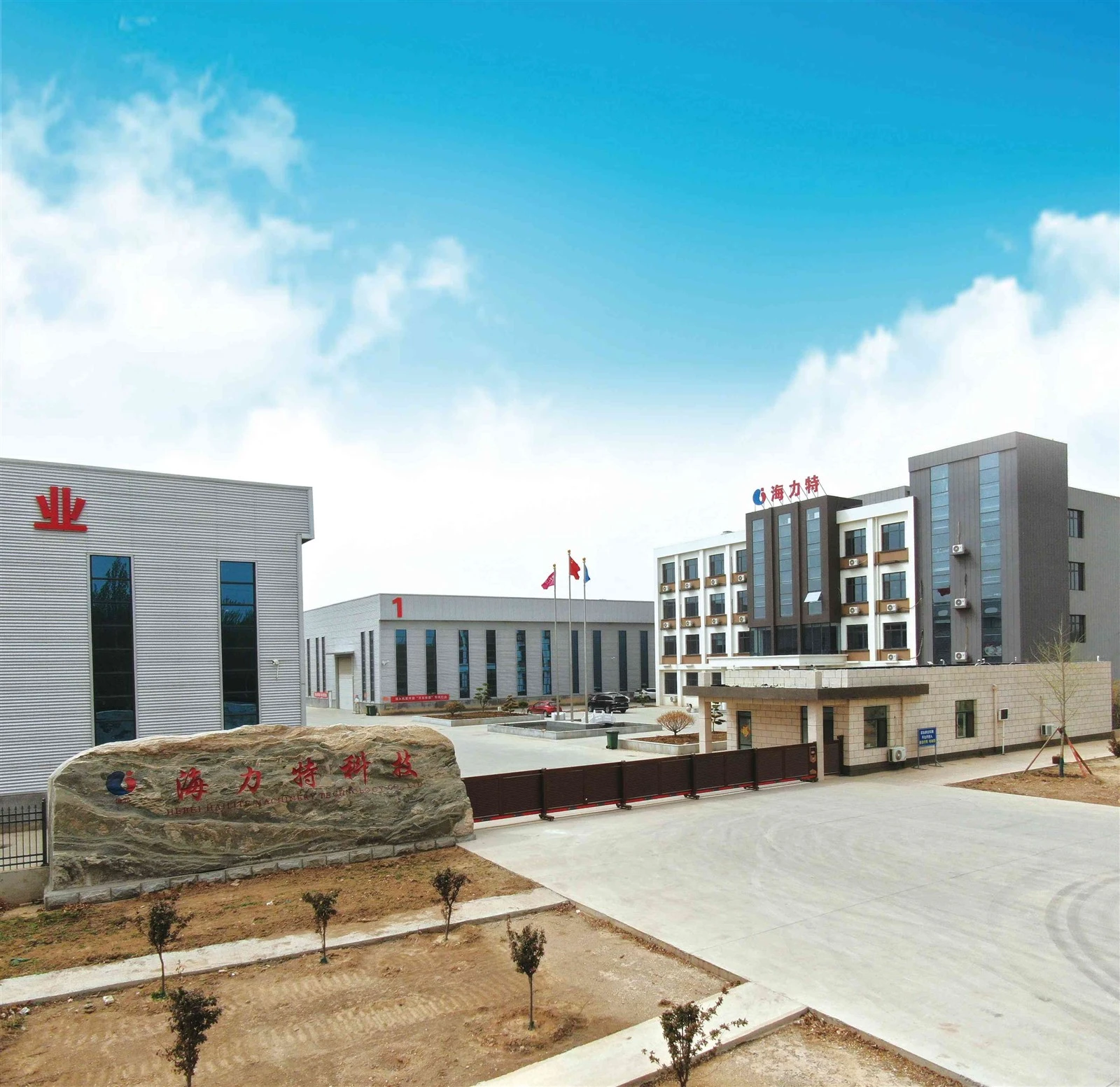
Hebei Hylite Machinery Co., Ltd. is located in the center of the Beijing-Tianjin-Hebei economic & technological region - Xianxian Economic Development Zone, where is the birthplace of motto "Seeking Truth From Facts". The factory covers an area of 50 acres. We are engaged in the R&D, manufacturing and sale service of equipment for steel bar and metallic wire processing.
Our address
Xianxian Economic DevelopmentZone, Cangzhou City, HebeiProvince
Phone Number
008615130775601
cnhylite001@hylitemachinery.com
Why Choose Us
Hebei Hylite Machinery Co., Ltd. is located in the center of the Beijing-Tianjin-Hebei economic & technological region - Xianxian Economic Development Zone, where is the birthplace of motto "Seeking Truth From Facts".
Products Sell Well
Our products have been exported to more than 60 countries including Togo, South Korea, Vietnam, Cambodia, Thailand, Malaysia, Philippines, Indonesia, India, Pakistan, Iran, Saudi Arabia, Russia, Egypt, Senegal, Mali, Benin, Niger, Venezuela, Argentina, Algeria, Mozambique, Mauritius etc.
Professional Team
The factory covers an area of 50 acres. We are engaged in the R&D, manufacturing and sale service of equipment for steel bar and metallic wire processing. The R&D team mainly composed of Chinese and Italian designers. It has a professional global after-sales service team.
Quality Assurance
The company has passed ISO9001 quality management system and got its CE certification. It is a certified high-tech enterprise in Hebei Province, China.
After-Sales Service
Provide customers with a full range of technical services and support, provide customers with on-site installation guidance free of charge, and train personnel to familiarize themselves with the operation and use of the equipment. If there are quality abnormalities in the equipment, we will provide 24-hour after-sales service to customers.


Wire mesh making machine
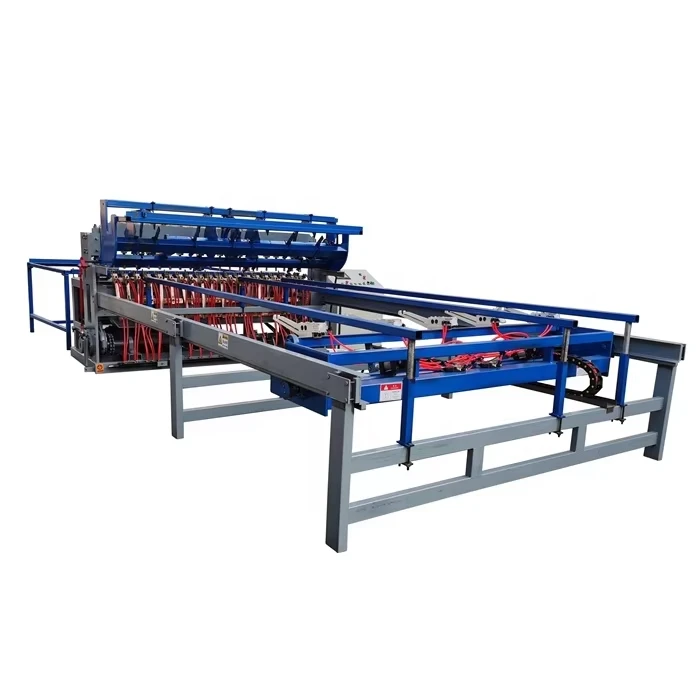
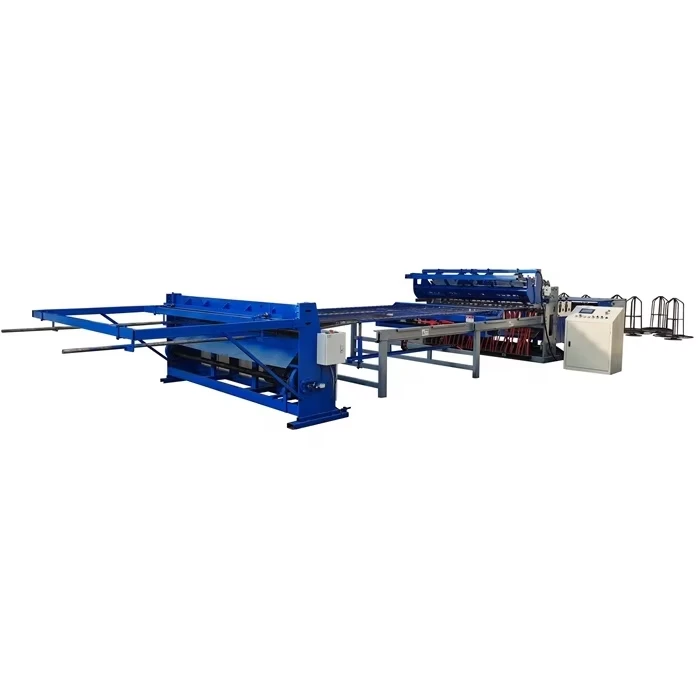

Pneumatic mesh welding machine

Reinforcing mesh welding machine
Fence mesh welding machine, is also called fence mesh welding line, security fence machine, anti-climb fence welding machine, or fence panel machine;
Fence mesh welding machine is used to make fence mesh, road mesh, reinforcing mesh, shelf, explosion-proof wall etc.
What is Wire Mesh Making Machine
Mesh welding machines and plants provide modern and innovative solutions for the mesh industry ensuring high productivity, flexibility and top safety. Wire mesh welding machines allow to produce small and big standard construction mesh, engineered mesh, special mesh and precast electro-welded mesh. If you want to know the specifications and prices of Wire Mesh Making Machine, please contact us!
Advantages of Wire Mesh Making Machine
Cost Saver
Cost is the most important part to maximized the profits, minimize the cost automatically maximizes the profits. A welded wire mesh machine saves the power while making the rolls of wire fence and it minimizes the cost.
Labor
It takes only a single operator to operate the whole machine. This is the most important part of this machine. Hence it saves the labor to utilize it somewhere else.
Time
When an automatic machine is used to create a welded wire mesh it saves time for you Instead of any other technique.
Strong And Reliable
The machines are manufactures under the supervision of our technical experts and raw material bring from reputed suppliers to provide you the best machines.
Uniform Work
The powerful heavy motor makes the machines able to work for longer hours for providing constant and uniform production for your production at the lowest energy and labor.
Reinforcement
It offers a stronger product for the production unit which is unbeatable and unmatched to meat up the market competition and requirements of the customers.
Types of Wire Mesh Making Machine
There are two different types of galvanized wire mesh; welded or woven. The names are pretty self-explanatory, i.e., the galvanized welded wire mesh is welded at horizontal and vertical points. These are coated with zinc but exposed from welding points. The most common use of these wire meshes is around gardens, commercial stores, or other public areas.
This wire mesh isn't welded, and therefore, the zinc coating isn't burnt, meaning that the mesh is safe from rust. These are lightweight, flexible, and have a much longer life. However, these are slightly more expensive as well. The most common use of these wire meshes is when securing facilities or wildlife boundaries.
Here, the steel or iron wire mesh is first welded, after which it gets dipped into molten zinc, thoroughly sealing the wire structure. It protects them from rust and corrosion and has a longer life – even when exposed to extreme temperatures. Naturally, this wire mesh will be more expensive, but it is well worth the investment in the long run. This wire mesh finds the most common use of wire mesh on animal cages, using wire mesh on ships (because of their saltwater resistance), and other humid or damp-place usage.
These wire meshes are coated with PVC or polyester after getting welded or woven. These meshes can easily be given any color the client wants, but the most common ones are black and green because of their ability to blend in with the environment. The coating seals the wire mesh, thus protecting it from rust and corrosion. These meshes can be used anywhere easily and are available in different quality grades. These aren't usually available in stores and need to be fabricated.
These meshes are known mainly for their specialized nature and long life. These wire meshes are often used in coastal areas and boast long lives, even after saltwater and UV exposure. Of course, these are the most expensive option out there, but they are well worth it in the long run, particularly stainless steel meshes. Other alloys can be used as well, such as copper alloys. When getting wire meshes made to order, there are a lot of considerations to make.
Precautions for use Wire Mesh Making Machine
The number of layers of screen
First of all, we need to determine the number of layers of the screen according to the type of the final product of the screened material. Taking flour sieving as an example, if you only need to remove the larger particles in the flour and get a fine flour with a certain specification, you can directly choose one layer of sieve, and at the same time, the proportion of the under-sieve exceeds 80%, you can directly choose the straight row sieve. If the final material comes in four different particle sizes, it will require three layers of screen selection.
The mesh of the screen
The larger the mesh number, the finer the particle size of the material; the smaller the mesh number, the larger the particle size of the material. The sieving particle size is the size of the sieve hole that the particles can pass through the sieve. The number of meshes in the area of 1 square inch (25.4mm×25.4mm) is called the mesh number (the comparison table of mesh number and mesh size is attached below). When selecting the mesh size of the screen, the particle size of the initial material and the classification range of the final finished material are mainly considered. For example, the particle size of the input material is 0.25mm-2mm, and the final material is divided into three types: 0.25-0.4mm, 0.42-0.85mm, and 0.9-2mm. You can choose two layers of screens, and according to the mesh number and mesh size comparison table, choose 20 mesh and 40 mesh screens to complete the material screening. The commonly used fine screen meshes are 5#, 10#, 18#, 20#, 25#, 30#, 35#, 40#, 45#, 50#, 60#, 70#, 80#, 100 #, 140#, 170#, 200#, the maximum can be 1000#.
The fixing method of the wire mesh
There are generally two ways to fix the screen: glue and rigid fixation. The rigid fixation mainly adopts the locking structure of screws and pressure plates, so that the screen mesh can be fixed on the screen frame under the tension requirement, which is strong and durable, but this method is prone to cleaning dead ends, and the material may remain, especially in industries such as food and medicine, which have relatively high hygienic requirements, this method is not recommended, so viscose becomes a better choice. Viscose glue can also ensure good tension, and at the same time seal better, and food-grade white glue can also meet food-grade requirements.
The material of the wire
At present, the main material of the metal wire is SUS304 stainless steel, and SUS316 can be selected for higher material requirements. In addition, the selected metal wire supplier can ask the equipment factory to provi
Matters Needing Attention in Daily Maintenance of Wire Mesh Welding Line Machine


1. Firstly, using the right operation method, operating correctly or not will directly affect the quality of the equipment. Imagine if the correct operation of the gear is right, but the operator turn to the left, this will increase the damage of equipment, so the first thing is the operator's skill in the use of the equipment.
2. The wire mesh welding line machine should be cleaned regularly after a long period of use. Dust and foreign matter falling on the surface should be cleaned.
3. The maintenance of relevant parts is also a top priority. Lubricating oil should be often added to mechanical parts, and it is best to carefully maintain each part.
4. When abnormal phenomenon such as abnormal sound occurs during welding, stop the machine timely for inspection.
5. When the wire mesh welding line machine stops working, the power supply shall be shut off in time. If it does not work for a long time, check regularly, lubricate the parts and lock the control box. Welding machine is mainly used for welding steel mesh sheet of various sizes, and its welding precision and production is the best choice for mesh sheet welding at present.
Daily Notes for Operators:
1. Before use, check the plug of control board and the socket must be inserted firmly;
2. The outer shell of the wire mesh welding line machine must be reliably grounded, and the welding machine shall not be affected by moisture;
3. Adjust the secondary voltage according to the welding part thickness, and the indicator light should be on after turning on the power switch
5. It is strictly forbidden to touch the head with hands to avoid electric shock and scalding.
6. After each operation, the photoelectric machine head should be repaired in time;
7. After each work, check whether the machine head, spring, lever group and foot are damaged and loose, and restore and repair in time;
8. Check the electrical control components after the completion of each work order to see if they are effective. If there is any damage, replace and repair it in time;
9. Repair mechanical transmission parts on the day of damage. Communicate with manufacturers to repair as soon as possible
10. When using power, it is not allowed to open the control box housing, let alone touch all parts of the box by hand to avoid electric shock (high pressure of 380V inside the box).
11. Make sure to cut off the power supply when checking internal connection and control board connection.
12. Do not touch the components on the control board by hand, or there may be static electricity damage to the components.
13. The potentiometers on the control board have been adjusted. Please do not move randomly.
15. Check the wiring in the box regularly (once a month).
How to Maintain Wire Mesh Making Machine
Regular Cleaning
Daily Cleaning: After each shift or production cycle, it's important to clean the machine thoroughly. Remove any metal debris, dust, or leftover wire material from the machine's components, especially from moving parts like the rollers, cutting blades, and welding electrodes.
Weekly Deep Cleaning: Once a week, deep-clean the entire machine using appropriate cleaning agents. This involves cleaning areas that are hard to reach during daily maintenance, such as the inner parts of the machine. Use air compressors to blow off fine dust and debris.
Lubrication
Critical Parts: Ensure that all moving parts, such as the rollers, bearings, gears, and chains, are properly lubricated. Apply grease or oil according to the manufacturer's recommendations to prevent friction and wear.
Lubrication Schedule: Establish a regular lubrication schedule. Some parts may require daily lubrication, while others may need it weekly or monthly, depending on the workload and manufacturer's specifications.
Check for Oil Leaks: Frequently check for any signs of oil or grease leakage. Address leaks immediately to prevent damage to parts due to insufficient lubrication.
Inspection of Mechanical Components
Rollers and Guides: Inspect the rollers and guides for wear and alignment. Misalignment of these components can lead to the improper formation of the wire mesh, reducing product quality. Adjust or replace rollers if signs of damage or excessive wear are present.
Cutting Blades: Examine the cutting blades for sharpness. Dull blades can affect the precision of cutting, leading to production errors. Regularly sharpen or replace them as needed.
Tension System: Check the wire tension system to ensure that it is functioning correctly. Proper tensioning is crucial for maintaining uniformity in mesh production. Tighten or adjust the tension system if it becomes loose or inconsistent.
Electrical and Control Systems
Electrical Connections: Periodically inspect electrical connections for looseness or corrosion. Tighten any loose connections and clean any that show signs of corrosion to ensure efficient electrical flow.
Control Panel: Test the machine's control panel and sensors regularly. Ensure that all buttons, switches, and sensors are functioning correctly. Faulty controls can cause production stoppages or accidents.
Software and Calibration: If the machine uses computer-aided control systems, ensure the software is up to date. Calibrate the system regularly to maintain accurate production settings.
Welding System Maintenance (if applicable)
Electrodes: If your wire mesh machine uses a welding system, inspect the electrodes regularly. Clean and replace worn electrodes to ensure strong, consistent welds. Poor welding can lead to weak mesh structures.
Cooling System: Check the cooling system for the welding unit, ensuring that it is functioning efficiently to prevent overheating. Overheating can damage the electrodes or even the machine itself.
Safety Checks
Emergency Stops: Regularly test the machine's emergency stop buttons to ensure they function correctly. This is critical for the safety of the operator.
Protective Guards: Inspect all safety guards and protective covers to ensure they are in place and undamaged. Replace any damaged safety covers immediately.
Operator Training: Ensure that operators are properly trained on safe operation and maintenance procedures. Well-trained staff are less likely to cause accidents and can also spot potential problems early.
Preventive Maintenance
Scheduled Inspections: Establish a preventive maintenance schedule that includes routine inspections by qualified technicians. This can help identify potential issues before they become major problems.
Wear and Tear Parts: Keep a stock of frequently used replacement parts such as bearings, blades, and belts. These are the components most likely to wear out and should be replaced before they fail during operation.
Record-Keeping
Maintenance Logs: Keep detailed records of all maintenance activities, including inspections, part replacements, and any adjustments made to the machine. This will help track wear patterns and provide valuable information for future repairs.
Performance Tracking: Monitor the machine's performance over time, including its production output and any downtimes. Sudden changes in performance could indicate underlying issues that need attention.
Environmental Considerations
Temperature and Humidity: Ensure that the machine operates in a suitable environment. Excessive heat, cold, or humidity can affect the machine's performance and longevity.
Dust and Vibration: Try to minimize the amount of dust and vibration around the machine. These factors can cause premature wear and malfunction.
Spare Parts Inventory
Essential Parts Availability: Maintain an inventory of essential spare parts that can be quickly replaced if necessary. This reduces downtime during repairs and prevents production delays.
Our Factory

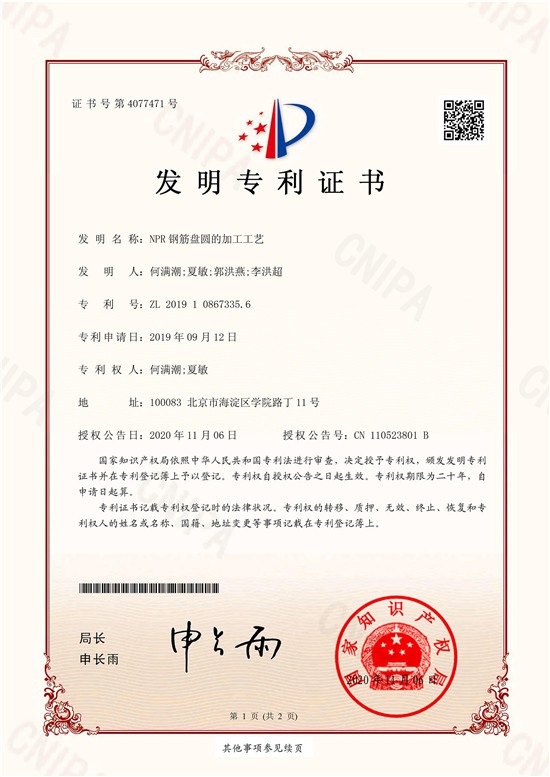
Certificate