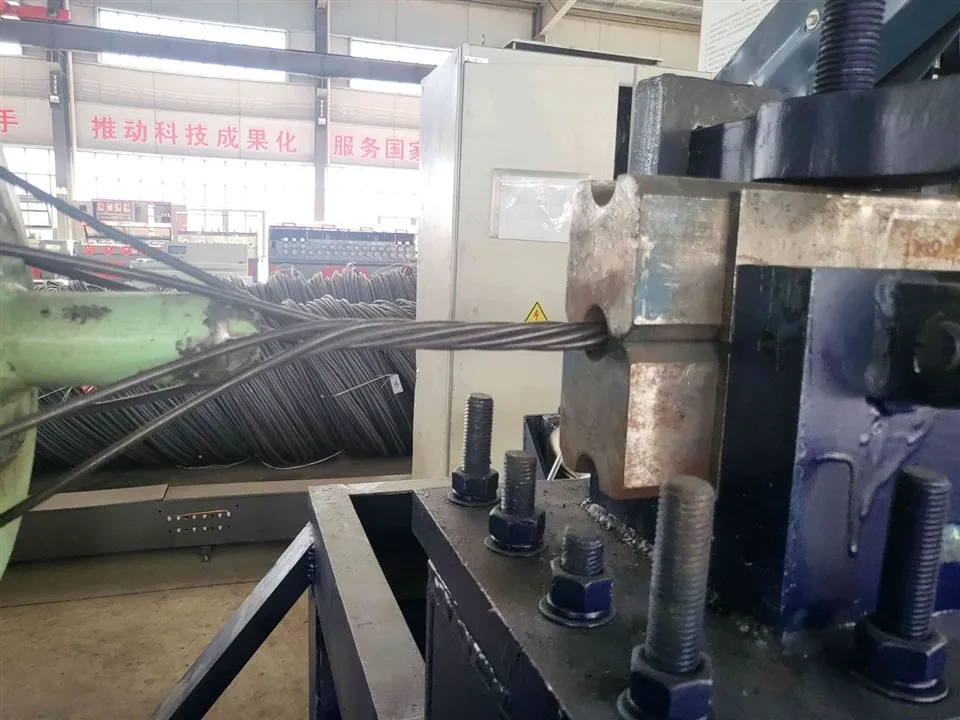
"1×7 construction" is the most basic and common structural designation for strand products, clearly describing the internal composition of the strand.

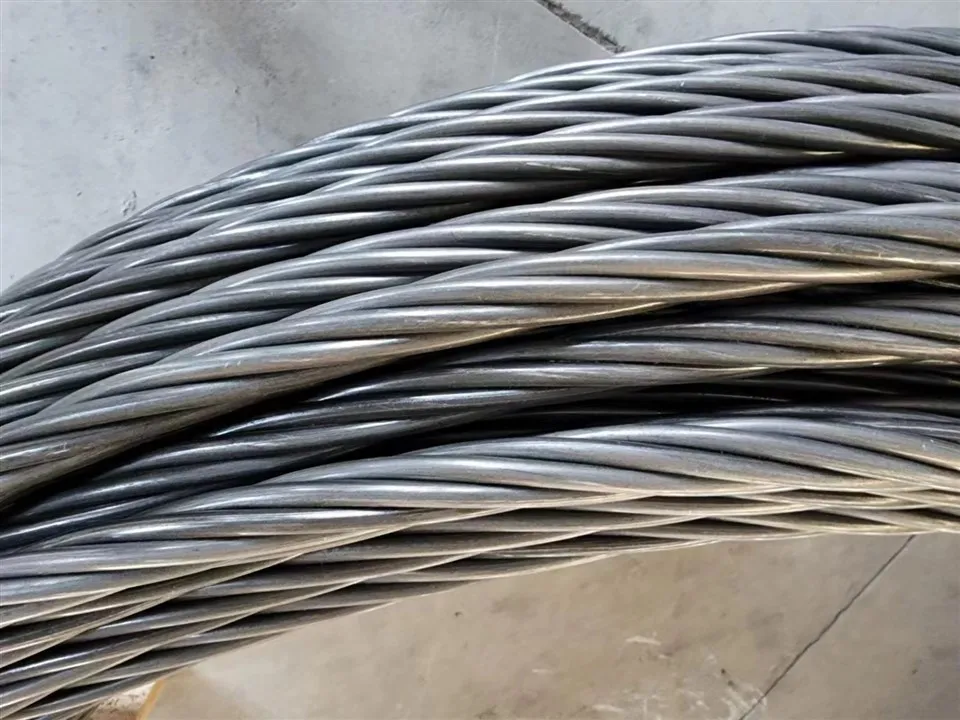
The seven wires are not randomly arranged, but precisely configured as follows:
Center Wire (King Wire): One wire positioned at the exact center.
Outer Wires: Six wires tightly twisted around the center wire in a helical pattern.
This "one central wire plus six outer wires" arrangement gives the strand a stable geometric structure in cross-section.
⚙️ Key Features and Applications
Market Dominance: The 1×7 configuration is the dominant type in the steel strand market, commanding a market share of over 80%. This is primarily due to the excellent balance it strikes between performance, cost, and manufacturing processes.
Core Applications: It is a critical material for prestressed concrete structures and is widely used in various large-scale construction projects:
Bridge Construction: Including long-span highway and railway bridges.
High-rise Buildings: Serving as a core structural component.
Geotechnical Anchoring: Used for slope stabilization, tunnel support, and similar applications.
Common Specifications and Standards: Steel strands with the 1×7 configuration come in a range of standard nominal diameters. Among these, the 15.24 mm size (commonly referred to as 15.2 mm) is the most widely used specification in domestic bridge and building projects. Production must adhere to rigorous national standards, such as China's GB/T 5224 or the US standard ASTM A416.